

What TLA Covers at Ramstein (In Real Life)
- February 4, 2026
- tips
If you’re new to the Kaiserslautern Military Community, you might be wondering what “TLA coverage at Ramstein” really means. In everyday terms,... Read More
 by Your TLA Ramstein

Living in TLA at Ramstein is rarely anyone’s idea of a smooth PCS experience. For most families, it’s a holding pattern—something you get through, not something you settle into. TLA isn’t meant to be a permanent solution, and it often feels like you’re waiting for your “real” life in Germany to begin. This unsettled feeling is normal. Most people arrive tired, disoriented, and anxious to get into permanent housing, and it’s common for those first days or weeks in temporary lodging to feel like you’re stuck in limbo.
It’s easy to wonder if you’re the only one who feels off-balance during this time. In reality, feeling unsettled at first is almost universal. TLA is a transition zone, filled with small frustrations and a lot of uncertainty, but you’re not the only one riding out the ups and downs.
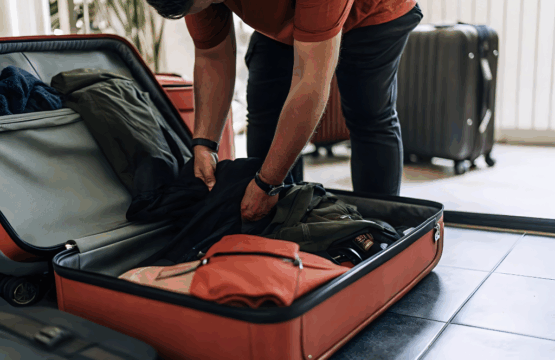
Daily life in temporary lodging in Germany is rarely glamorous. Most families live out of suitcases, with clothes and essentials crammed into every available corner. Space is almost always tight—kids, pets, and parents sharing one or two rooms, bumping into each other as you try to keep order.
Routines feel disrupted and improvised. Meals happen at odd hours, bedtime routines stretch or shrink depending on everyone’s moods, and even simple things like where to put your toothbrush can feel unsettled. There’s a constant sense of waiting: waiting for your real home, your stuff, your routines, and your sense of normal to return. It’s common to feel like you’re just passing time, rather than truly living.
The lack of space is one of the first things families notice. In most TLA setups, everyone is on top of each other. There’s no real privacy, and even finding a quiet spot to make a phone call or take a breather can be tough. Storage is limited, so bags and boxes pile up. There’s rarely anywhere to spread out, and it can feel like you’re always in someone else’s way.
Cooking and eating in TLA brings its own set of challenges. Many families have to make do with a small kitchenette or no kitchen at all. This means lots of eating out, microwaved meals, or creative use of whatever appliances are available. Managing groceries, snacks, and picky eaters is a daily puzzle. Some parents find themselves searching for familiar foods or driving around to find groceries near Ramstein Air Base. It’s easy to worry about nutrition or just get tired of the limited options. [Reference to a future article on TLA coverage limits at Ramstein.]
Laundry is another hurdle. Most TLA accommodations have shared laundry rooms, which means waiting your turn, hauling clothes down the hall or to another building, and sometimes dealing with broken machines. Keeping things clean in a small space is a constant effort. With everyone in close quarters, clutter builds up fast, and it can feel like you’re always tidying but never quite caught up.
Getting around while living in TLA at Ramstein can be a mixed bag. Parking isn’t always easy, especially if you’re in a busy hotel or guesthouse. Figuring out base shuttles or learning new commutes takes time, especially if your car hasn’t arrived yet. Some families rely on rides from friends or walk more than they expected. Adjusting to new routines without your usual transportation adds another layer of stress.
Keeping kids entertained in TLA can be a real test of patience. There’s usually not much space for toys, and everyone gets bored of the same few activities. Siblings may squabble more than usual, and quiet time is tough to find. Parents end up improvising games, stretching screen time, or heading outside whenever possible.
Managing routines and sleep is also tricky. When everyone shares a room, getting kids to bed or letting them sleep in can feel impossible. Nap times, bedtime stories, and even simple downtime all get compressed or disrupted.
Pets add another layer. Walking dogs in unfamiliar areas, keeping them calm in a small space, and finding places for them to burn off energy can be challenging. Some pets get anxious or act out, which is normal in a new environment. Families often juggle everyone’s moods and needs, just trying to keep things steady.
The emotional side of extended TLA stays is real and often underestimated. Many families start to feel stuck or restless after a week or two, like life is on hold and there’s no clear end date. The uncertainty of waiting for permanent housing, dealing with delays, and not knowing what tomorrow will bring can wear on everyone.
Tension and short tempers are common. Sharing a small space means little privacy and more chances for arguments or misunderstandings. Parents may feel guilty for being impatient, and kids can act out or become clingy.
Loneliness and homesickness are also part of the picture. It’s easy to miss routines, friends, and the feeling of having your own space. Even when surrounded by other military families, it can feel isolating to be “in between” homes for so long.
The good news is that most families do find a rhythm, even if it takes a little while. Adapting to the space and making routines work—however imperfectly—becomes more manageable with time. People find shortcuts for meals, laundry, and errands, and little rituals start to make each day feel less chaotic.
As days become more predictable, that initial feeling of being lost fades a bit. Kids and adults alike settle into the temporary community, sometimes making new friends or finding comfort in shared experiences. Living in TLA at Ramstein never feels quite like home, but it can start to feel less overwhelming as you adjust.
One of the biggest surprises is how long TLA can actually last. Many families expect to be in temporary lodging for a week or two, only to find themselves there much longer. The constant togetherness can be more exhausting than expected, even for close families.
But there are also small wins that help morale. A good conversation with another family, discovering a new favorite snack, or finally figuring out the laundry routine can make a tough day feel a little better. [Reference to a future article on best lodging options near Ramstein Air Base.]
No two TLA experiences are exactly alike. Life in TLA varies by lodging type—some families are in hotels with limited amenities, while others get apartments with small kitchens. The size of your family and the ages of your kids can make things feel easier or harder.
Having pets or special needs brings its own set of challenges. Some places are more pet-friendly than others, and special accommodations may take extra effort to arrange. The length of your TLA stay also shapes routines—what works for a few days may not work for a month or more.
Most families living in TLA at Ramstein feel worn out and impatient at some point. It’s completely normal to struggle with the temporary setup, the lack of privacy, and the endless waiting. If you feel frustrated, tired, or just ready to move on, you are in good company.
This phase does end, even if it feels endless while you’re in it. Mixed emotions—relief, impatience, even a little sadness to leave behind new friends—are all part of the experience. Living in TLA is a challenge, but it’s also a shared story for many military families. Feeling overwhelmed isn’t a sign you’re doing it wrong; it just means you’re human, and that’s more than enough right now.


If you’re new to the Kaiserslautern... Read More

If you’re preparing for a PCS... Read More

If you’re reading this, there’s a... Read More